Research & Article
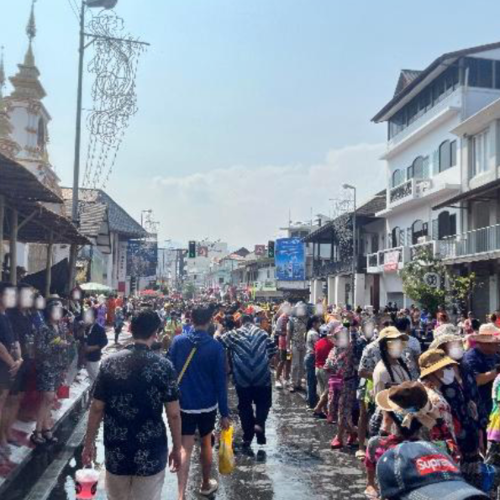
The Importance and Challenges of Preparing Measures to Manage the Festival's Impacts in Living Heritage Sites in Thailand
By Kasidit Khamsee, Nattapong Punnoi
Published on 21 July 2026
Disaster Risk Management, Living Heritage
Location of original sources
Sarasatr: Journal of Architecture and Design, Vol. 8 No. 2 (2568)
Living Heritage Sites are one of the concepts for developing historic city areas that maintain continuous economic activities. These areas attract tourists worldwide and have three key characteristics: Inhabited by residents who continue to support traditional ways of life, recognized as national cultural heritage, and contributed to a local economy. Festivals are another element that can be incorporated into this concept, as festivals can lead to comprehensive development and support all three characteristics. However, encouraging festivals to create benefits for cities or local areas, especially economic benefits, must also consider potential negative impacts on those areas.
This article, therefore, aims to study relevant measures and strategic approaches to managing the impacts of using historic cities as event venues. It seeks to understand the significance and impact of festivals held in living heritage sites and to contribute to developing effective festival management strategies for historic city areas. These measures are intended to help cities prepare for such events by leveraging opportunities and managing potential risks associated with these spaces. Furthermore, the study aims to examine Thailand's current situation and challenges and to analyze actionable proposals that could advance policy implementation tangibly and sustainably within the Thai context.