The Siam Society’s Study Trip: “Kangaroos” in the Murals of Wat Sommanat Ratchaworawihan
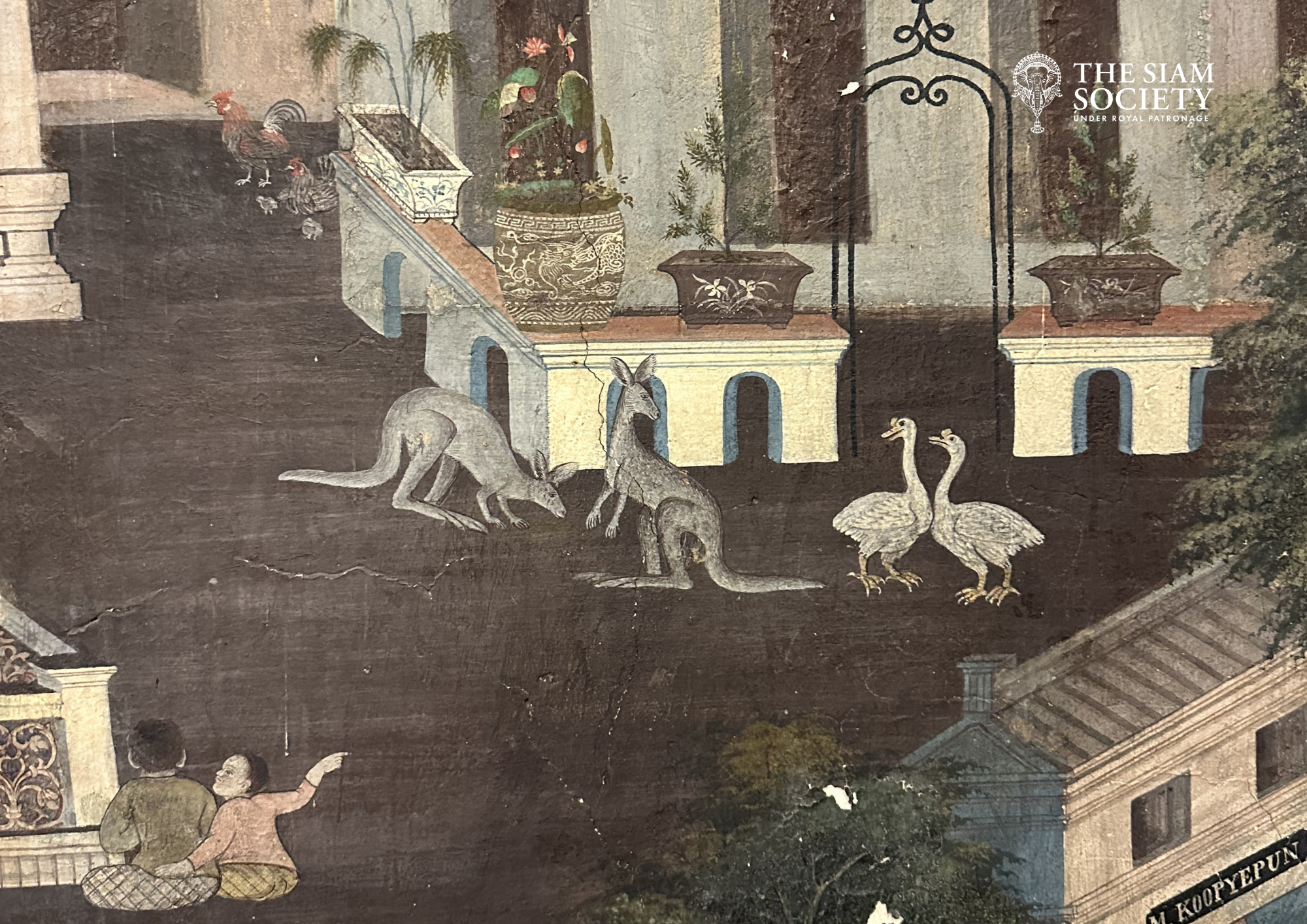
During The Siam Society’s recent study trip to the royal temples of Rattanakosin Island, we admired the remarkable mural paintings that adorn these historic temples. Among the many fascinating details, however, one unexpected figure caught our attention—a kangaroo at Wat Sommanat Ratchaworawihan!
เมื่อต้นเดือนกรกฎาคม 2569 ที่ผ่านมา สยามสมาคมฯ ได้จัดการศึกษาสัญจรไปวัดหลวงสี่แห่งในบริเวณเกาะรัตนโกสินทร์ คณะของเราได้มีโอกาสชมจิตรกรรมอันงดงามในวัดเหล่านั้น และได้ค้นพบรายละเอียดเล็กๆ ที่น่าสนใจ คือ ภาพวาด “จิงโจ้” ภายในพระวิหารของวัดโสมนัสราชวรวิหาร ซึ่งอยากนำมาเล่าให้ฟังกันในวันนี้ค่ะ
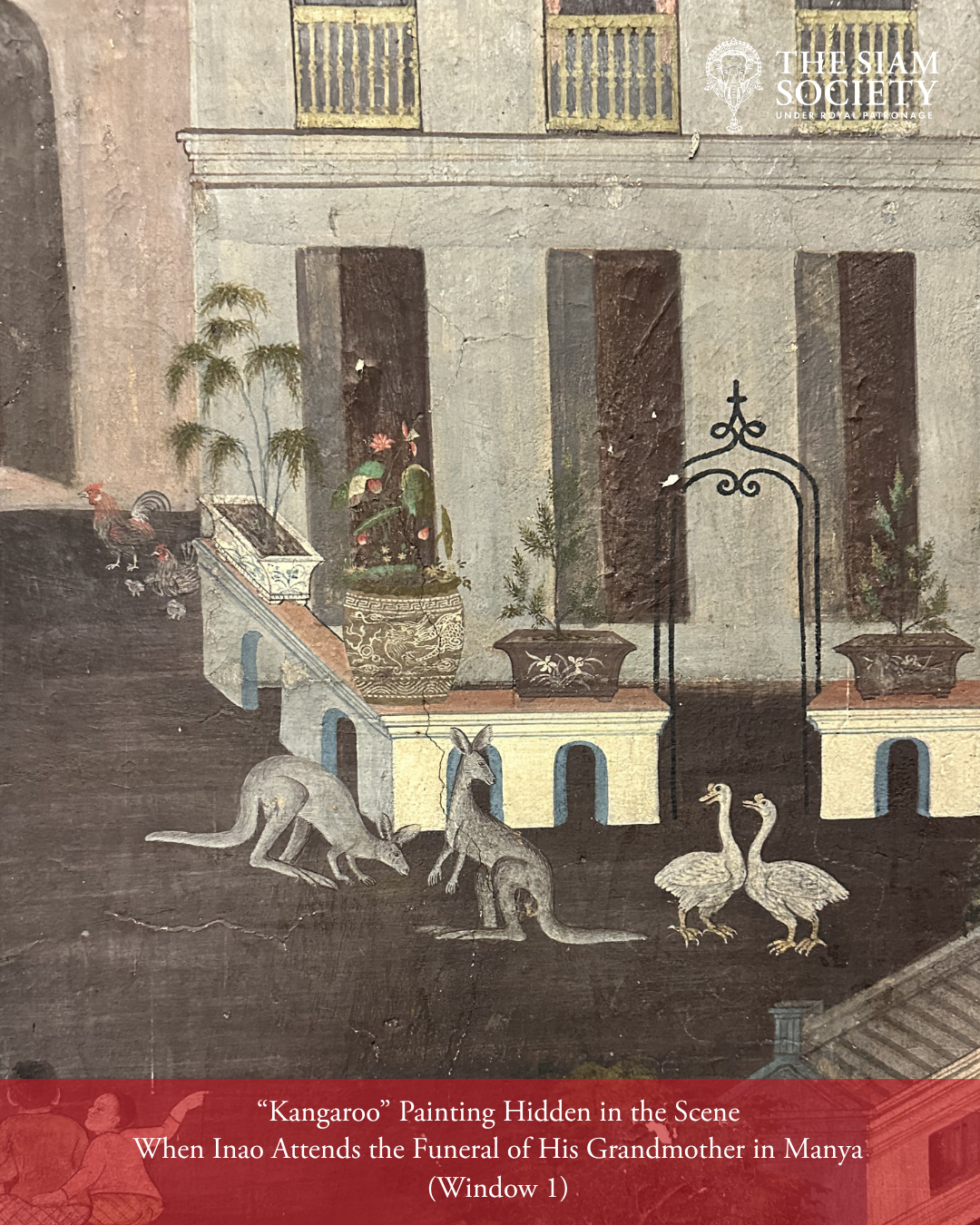
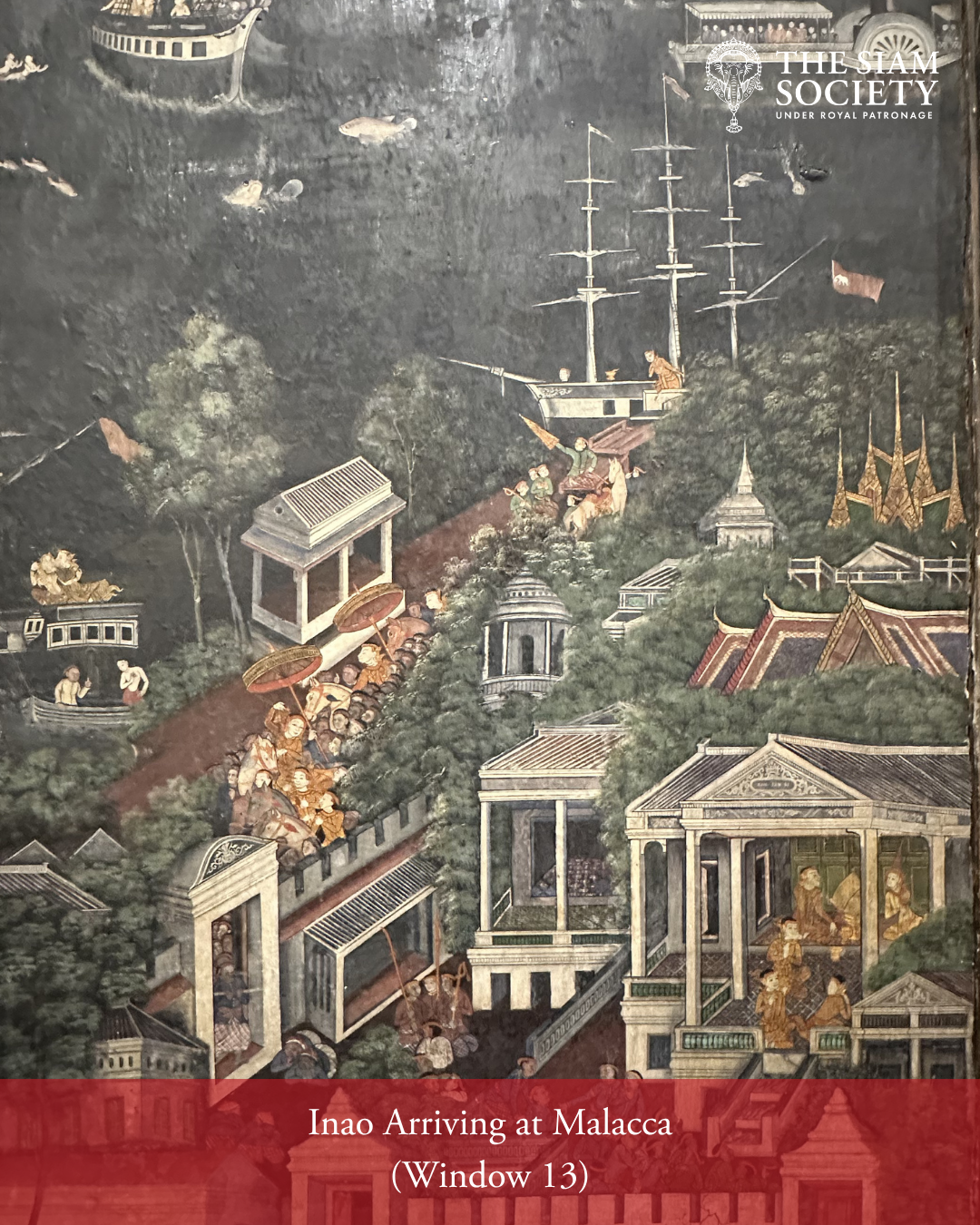
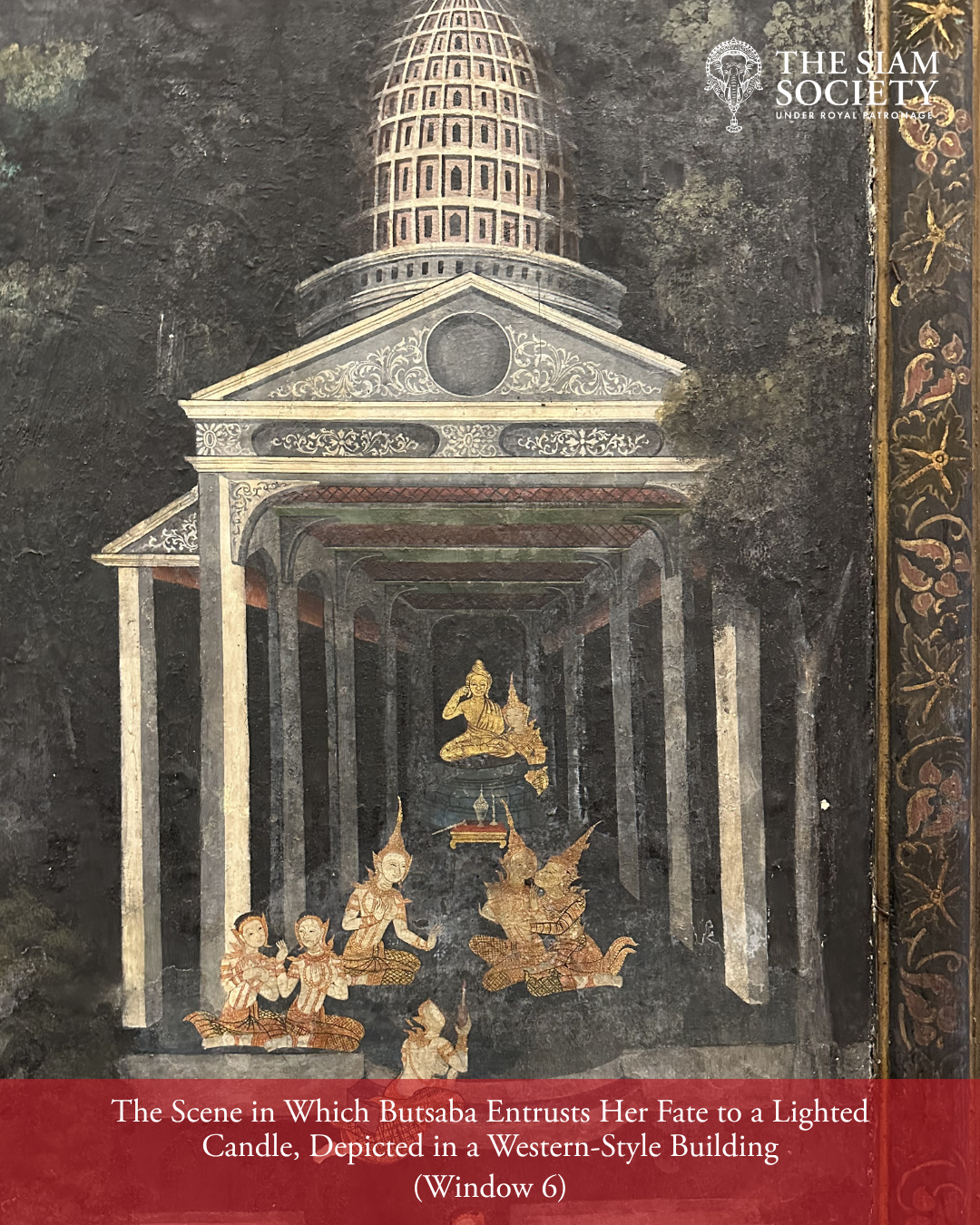
Wat Sommanat Ratchaworawihan is renowned for its murals depicting the literary epic Inao (the Javanese Panji tales), rather than the more common Buddhist narratives found in Thai temples. The artists also incorporated contemporary elements, foreign architecture, and exotic plants and animals, reflecting Siam’s growing awareness of the wider world during the reign of King Mongkut (Rama IV). But how did a kangaroo find its way into a depiction of this beloved Javanese tale?
จิตรกรรมฝาผนังวัดโสมนัสราชวรวิหารเป็นภาพวาดจากเรื่องอิเหนา ซึ่งมีความพิเศษแตกต่างจากวัดไทยส่วนใหญ่ที่นำเสนอภาพพุทธประวัติหรือชาดก นอกจากนี้ ช่างเขียนยังสอดแทรกองค์ประกอบร่วมสมัย ทั้งสถาปัตยกรรมแบบตะวันตก ตลอดจนพืชและสัตว์ต่างถิ่น สะท้อนให้เห็นถึงการเปิดรับองค์ความรู้จากโลกภายนอกของสยามในรัชสมัยของพระบาทสมเด็จพระจอมเกล้าเจ้าอยู่หัว แล้วเหตุใด “จิงโจ้” จึงปรากฏอยู่ในภาพวาดจากวรรณคดีชวาเรื่องนี้กัน
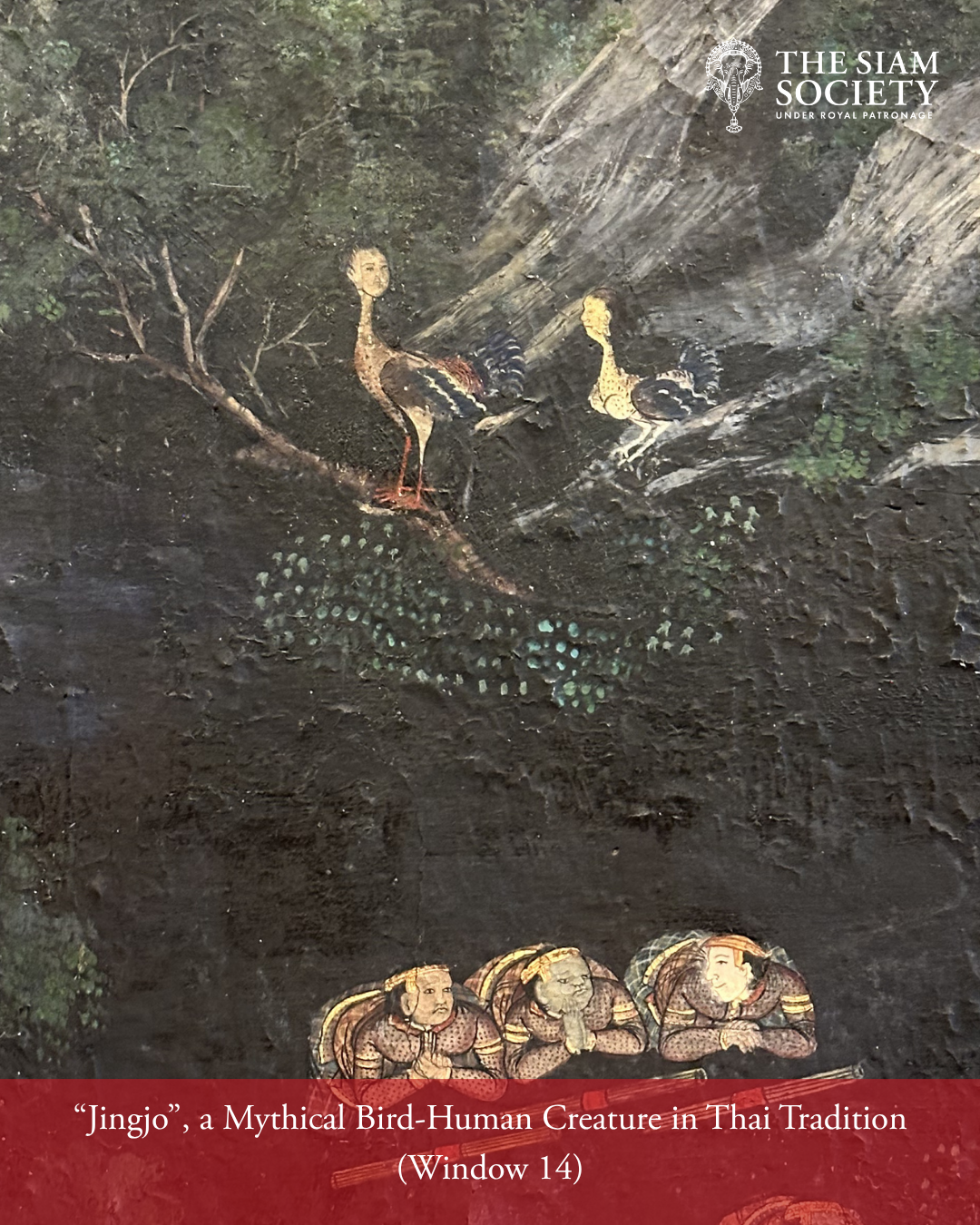
Today, the Thai word จิงโจ้ (Jingjo) means “kangaroo,” but long before it referred to the Australian marsupial, Jingjo was the name of a mythical bird-human creature in Thai tradition. The Siamese are believed to have first encountered the real kangaroo during the reign of King Mongkut (Rama IV), when a diplomatic mission sent to France under Emperor Napoleon III came across the animal. The envoys recorded its French name as “kangoulou” (กังกูลู) or “kangarou” (แกงการู) before the word Jingjo eventually became the Thai name for the kangaroo around the reign of King Chulalongkorn (Rama V).
Interestingly, the original Jingjo also appears in the murals at Wat Sommanat. In Thai belief, this mythical creature has a human-like face, with wings and bird-like feet. If you look closely at Window 14, depicting the scene in which Inao becomes a hermit, you will spot two of these bird-human figures perched casually on a tree branch.
ปัจจุบัน คำว่า “จิงโจ้” เป็นชื่อเรียกสัตว์มีกระเป๋าหน้าท้องจากประเทศออสเตรเลีย แต่เดิมคำนี้หมายถึงสัตว์ในจินตนาการชนิดหนึ่งของไทย ก่อนที่ความหมายจะเปลี่ยนไปใช้เรียกสัตว์เลี้ยงลูกด้วยนมชนิดดังกล่าว เชื่อว่าชาวสยามได้พบเห็นจิงโจ้เป็นครั้งแรกในรัชสมัยของพระบาทสมเด็จพระจอมเกล้าเจ้าอยู่หัว เมื่อคณะราชทูตสยามที่เดินทางไปเจริญสัมพันธไมตรีกับฝรั่งเศสในสมัยจักรพรรดินโปเลียนที่ 3 ได้พบเห็นสัตว์ชนิดนี้ และบันทึกชื่อเรียกตามภาษาฝรั่งเศสว่า “กังกูลู” (kangoulou) หรือ “แกงการู” (kangarou) ก่อนที่คำว่า “จิงโจ้” จะกลายมาเป็นชื่อเรียกของจิงโจ้ตามที่เราเข้าใจกันในปัจจุบัน ในช่วงสมัยของพระบาทสมเด็จพระจุลจอมเกล้าเจ้าอยู่หัว
ภาพของ “จิงโจ้” ในความหมายดั้งเดิมก็ปรากฏอยู่ในจิตรกรรมฝาผนังของวัดโสมนัสราชวรวิหารเช่นกัน ตามความเชื่อเดิมของไทย จิงโจ้เป็นสัตว์ในจินตนาการที่มีในหน้าอย่างมนุษย์ แต่มีปีกและเท้าอย่างนก หากสังเกตภาพจิตรกรรมบริเวณ ช่องหน้าต่างที่ 14 ซึ่งเป็นฉากที่อิเหนาออกบวชเป็นฤๅษี จะพบ “จิงโจ้” สองตัวเกาะอยู่บนกิ่งไม้
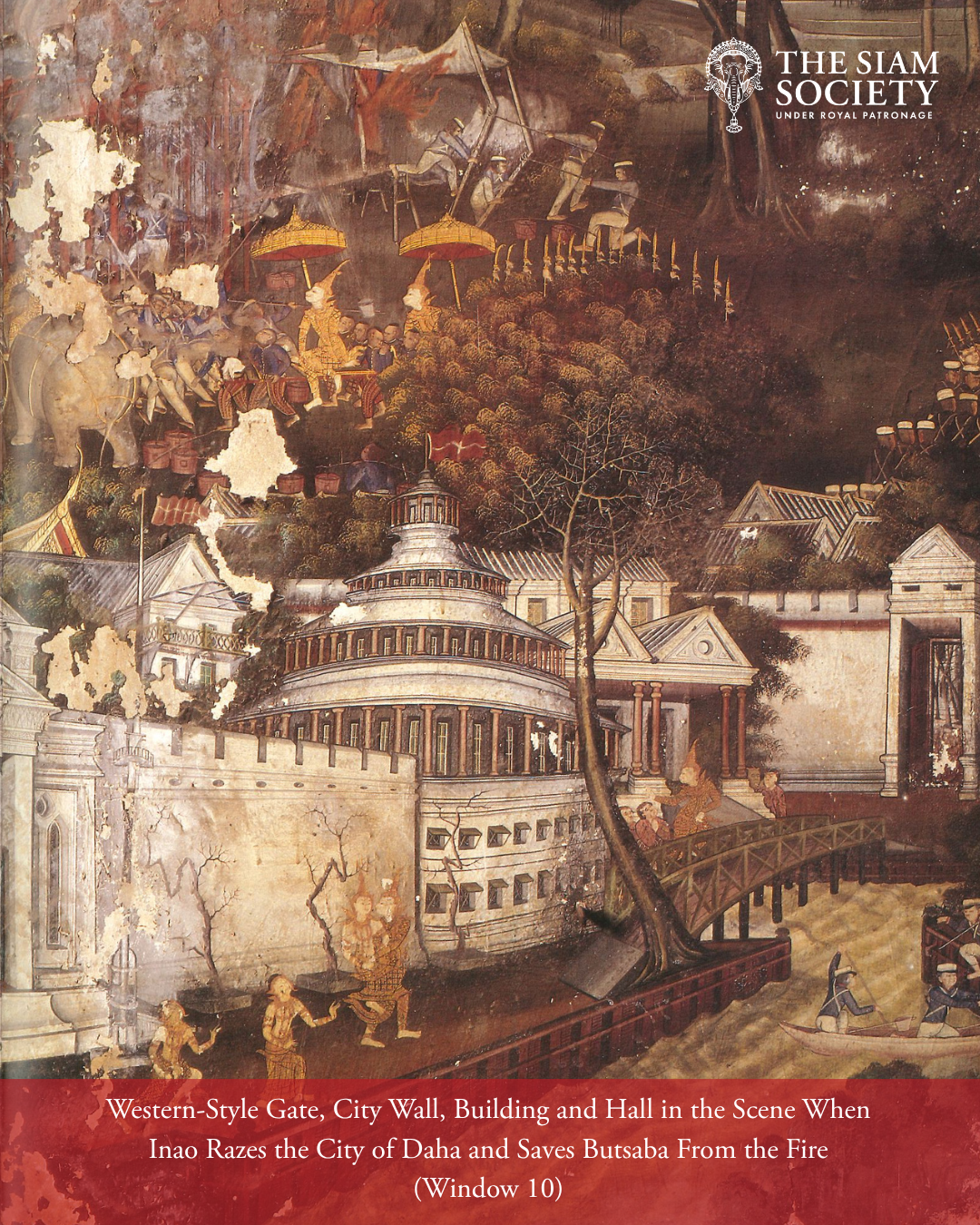
The murals at Wat Sommanat Ratchaworawihan remind us that Thai temple paintings are filled with delightful details waiting to be discovered. They not only illustrate timeless stories but also capture a fascinating moment when Siam was embracing new ideas and encounters from around the world, where mythical Jingjo and real kangaroos could exist side by side in the same work of art.
จิตรกรรมฝาผนังที่วัดโสมนัสราชวรวิหารทำให้เราเข้าใจว่าศิลปะไทยยังซ่อนรายละเอียดอันน่าค้นหาไว้อีกมาก นอกจากจะบอกเล่าเรื่องราวจากวรรณคดีที่ทรงคุณค่าแล้ว ภาพวาดเหล่านี้ยังสะท้อนช่วงเวลาที่สยามได้เปิดรับความรู้และสิ่งแปลกตาจากโลกภายนอก เราจึงได้พบเห็น “จิงโจ้” ในจินตนาการและ “จิงโจ้” จากประเทศออสเตรเลีย ที่สามารถปรากฏเคียงข้างกันในงานศิลปะจากแหล่งเดียวกัน