

Heritage Alert: The Netherlands Embassy
(For English, please scroll down)
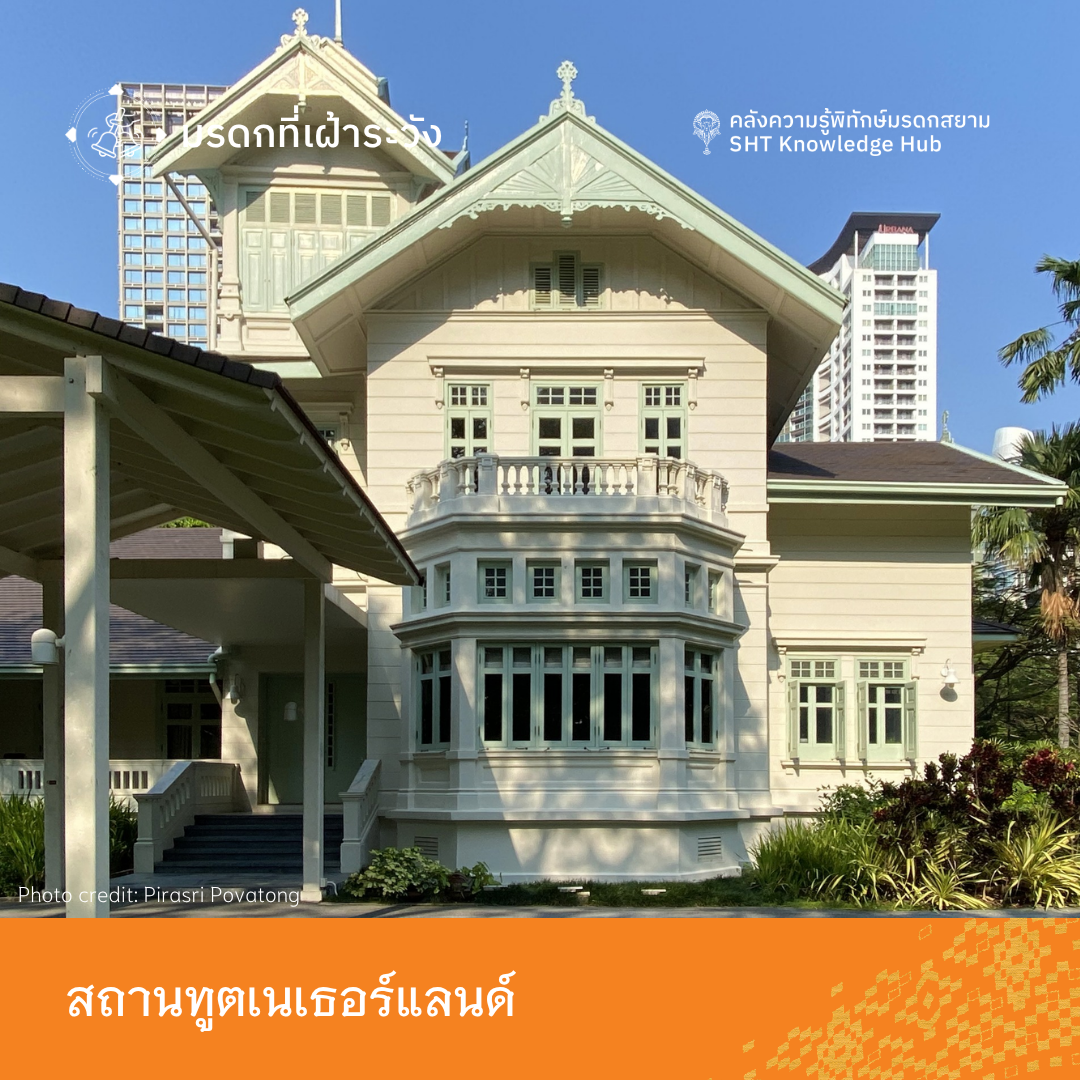
สืบเนื่องจากที่เอกอัครราชทูตราชอาณาจักรเนเธอร์แลนด์ประจำประเทศ ประกาศผ่านสื่อว่าสถานทูตเตรียมย้ายไปที่ดุสิตเซ็นทรัลพาร์คในเดือนสิงหาคมนี้ นับว่าเป็นข่าวที่ชวนให้กลับมาตั้งคำถามถึงชะตากรรมของอาคารอันเป็นมรดกทางสถาปัตยกรรมทรงคุณค่า และพื้นที่สีเขียวขนาดใหญ่ใจกลางกรุงเทพฯ ว่าจะมีอนาคตอย่างไรต่อไปในมือของเจ้าของคนใหม่
สยามสมาคมในพระบรมราชูปถัมภ์ ตระหนักถึงคุณค่าของสถานทูตเนเธอร์แลนด์ในฐานะที่เป็นส่วนหนึ่งของมรดกความทรงจำของสังคม สถานที่แห่งนี้ไม่เพียงเป็นมรดกทางสถาปัตยกรรมและประวัติศาสตร์ หากยังเป็นประจักษ์พยานของความสัมพันธ์อันยาวนานระหว่างประเทศไทยและราชอาณาจักรเนเธอร์แลนด์ จึงได้จัดให้มีการศึกษาสัญจรไปเยี่ยมชมและเรียนรู้ ณ สถานที่แห่งนี้ ภายใต้การนำชมโดยนักวิชาการที่มีความรู้เฉพาะทาง และได้รับการต้อนรับอย่างอบอุ่นจากทางสถานทูต ประสบการณ์เหล่านี้ได้สร้างความทรงจำอันมีคุณค่าให้กับผู้ที่เคยมีโอกาสได้สัมผัสพื้นที่แห่งนี้
ในช่วงเวลาที่ข่าวเกี่ยวกับการขายสถานทูตเริ่มแพร่ออกสู่สาธารณะ สมาคมฯ ได้เปิดพื้นที่สาธารณะสำหรับการแจ้งเตือนมรดกวัฒนธรรมที่กำลังเผชิญความเสี่ยงต่อการสูญเสีย ภายใต้ชื่อ “Heritage Alert” ซึ่งอยู่ใน “คลังความรู้พิทักษ์มรดกสยาม” กรณีของสถานทูตเนเธอร์แลนด์นับเป็นกรณีแรกที่มีผู้แจ้งเป็นชาวต่างชาติ ซึ่งเป็นกลุ่มชาวดัตช์ในประเทศไทยที่รู้สึกห่วงใยต่ออนาคตของสถานที่แห่งนี้ อย่างไรก็ตาม กรณีดังกล่าวก็ถือเป็นความท้าทายอย่างยิ่ง เพราะด้วยกรรมสิทธิ์ของพื้นที่แล้ว ประเทศไทยไม่มีสิทธิ์ใดๆ ที่จะเข้าไปแทรกแซงเพื่อการอนุรักษ์ ไม่ว่าจะด้วยกฎหมายที่เกี่ยวข้องกับการอนุรักษ์มรดกวัฒนธรรมของประเทศไทย หรือแม้แต่ของประเทศเนเธอแลนด์เอง นับได้ว่าพื้นที่ของสถานทูตเป็นพื้นที่สุญญากาศที่กลไกการอนุรักษ์ไม่สามารถเข้าถึงได้ สิ่งที่สมาคมฯ ช่วยได้จึงมีเพียงร่วมรณรงค์ให้ผู้คนที่เห็นคุณค่าร่วมกันแสดงความปรารถนาที่จะเห็นสถานที่แห่งนี้ได้รับการพิจารณาอย่างรอบด้าน https://thesiamsociety.org/knowledge-hub/alert-info/36
ประสบการณ์จากหลายประเทศชี้ให้เห็นว่า การอนุรักษ์มรดกวัฒนธรรมในเมืองใหญ่ไม่สามารถอาศัยกฎหมายเชิงควบคุมเพียงอย่างเดียว หากยังต้องอาศัยกลไกและแรงจูงใจทางเศรษฐกิจควบคู่กันไป เช่นมาตรการลดหย่อนภาษีสำหรับการซ่อมแซมและบูรณะอาคารที่มีคุณค่า และการอนุรักษ์พื้นที่สีเขียวในเมือง โดยให้สิทธิ์เพิ่มเติมในการพัฒนาพื้นที่อื่นทดแทน ภาครัฐเองมีบทบาทสำคัญในการสร้างเครื่องมือและนโยบายที่ช่วยรักษาพื้นที่คุณภาพของเมืองไว้เพื่อประโยชน์ของส่วนรวม ตราบใดที่การจัดการเมืองยังคงพึ่งพาเครื่องมือที่มุ่งควบคุมหรือจำกัดมากกว่าการสร้างแรงจูงใจ เมืองของเราย่อมมีความเสี่ยงที่จะสูญเสียพื้นที่สำคัญจำนวนมากในอนาคต ไม่ว่าจะเป็นอาคารประวัติศาสตร์ พื้นที่สีเขียว หรือภูมิทัศน์ที่มีคุณค่าทางวัฒนธรรม
สยามสมาคมฯ หวังเป็นอย่างยิ่งว่าอย่างน้อยที่สุด คุณค่าทางประวัติศาสตร์และความงดงามทางสถาปัตยกรรมของอาคารภายในพื้นที่ของสถานทูตจะได้รับการรักษาไว้อย่างดีและเหมาะสม พร้อมกันนี้ เหตุการณ์ครั้งนี้ยังชวนให้เราหันกลับมาทบทวนวิสัยทัศน์ของเมือง ว่าเราต้องการให้กรุงเทพฯ และประเทศไทยพัฒนาไปในทิศทางใด เมืองที่ดีไม่เพียงต้องตอบโจทย์ด้านเศรษฐกิจหรือการเติบโตเท่านั้น หากยังต้องเป็นพื้นที่ที่หล่อเลี้ยงสุขภาวะของผู้คน ทั้งทางร่างกาย ปัญญา และอารมณ์ ท่ามกลางความท้าทายของวิกฤตสิ่งแวดล้อมในระดับโลก ศิลปวัฒนธรรม มรดกทางประวัติศาสตร์ และพื้นที่สีเขียว ล้วนเป็นองค์ประกอบสำคัญที่ช่วยสร้างคุณภาพชีวิตและความหมายของการอยู่อาศัยในเมือง
อ่านบทความเกี่ยวกับมรดกวัฒนธรรมและกฎหมาย จาก Heritage Matters Column ของสยามสมาคมฯ :
– มรดกชุมชนที่หลุดมือ เมื่อ กทม. ขาดกฎหมายอนุรักษ์ https://thestandard.co/bangkok-losing-community-heritage/
– ไทยจำเป็นต้องปฏิรูปการอนุรักษ์มรดกทางวัฒนธรรม https://thestandard.co/cultural-heritage-conservation-reform-thailand/
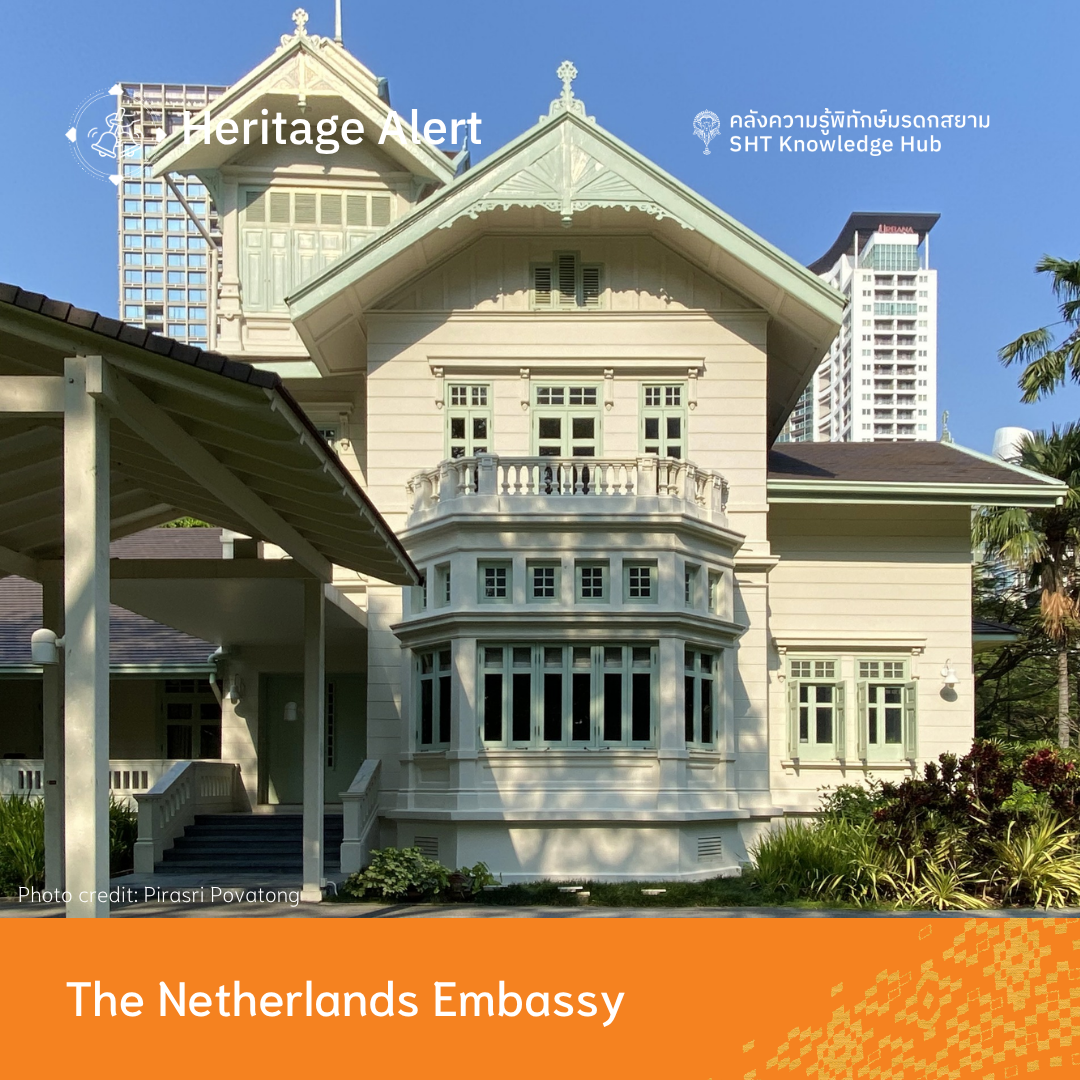
Following recent public announcements made by the Ambassador of the Kingdom of the Netherlands to Thailand, the Netherlands Embassy in Bangkok is scheduled to relocate from its current location in the Lumphini area to Dusit Central Park by this coming August. In light of this news, renewed questions have arisen regarding the future of the Embassy’s premises, both the architecturally significant buildings and the large green space located in the heart of Bangkok, and what will become of these sites under new ownership.
The Siam Society Under Royal Patronage recognises the immense value of the Netherlands Embassy’s premises as part of the collective memory of the Thai society. This site is not only an architectural and historical asset, but also a testament to the long-standing diplomatic relationship between the Kingdom of Thailand and the Kingdom of the Netherlands. The Siam Society has previously organised a study visit with an expert leader to this very site, where participants were warmly welcomed by the Embassy. These past experiences have created meaningful and lasting impressions for all those who have had the opportunity to engage with this place.
Around the same time that the news of the Embassy’s sale began to circulate publicly, coincidentally, The Siam Society launched a platform to raise awareness of similar cultural heritage sites that are currently at risk, titled the “Heritage Alert” initiative in our “SHT Knowledge Hub”. The Netherlands Embassy sale was the first case to be submitted to this platform by a foreign community, brought forth by members of the Dutch Society Thailand who expressed genuine concern about the site’s future. However, this case presents significant challenges and unique constraints. Due to the site’s ownership status and regulations, Thailand has no authority to intervene in conservation efforts under the heritage laws of Thailand, nor those of the Netherlands. In this sense, the Embassy grounds function as a kind of legal “vacuum,” beyond the reach of conventional conservation mechanisms. The Siam Society’s role in this case has therefore been limited to advocacy, encouraging those who recognise the site’s value to express their support for its thoughtful consideration of a more protected status. https://thesiamsociety.org/knowledge-hub/alert-info/36
Past precedent from the experiences of many other countries shows that heritage conservation in major cities cannot rely solely on regulatory measures. It must also be supported by economic motivations and incentives. These could include tax incentives for the restoration of historic buildings, or policies that encourage the preservation of urban green spaces by allowing additional development rights elsewhere. In any case, governments play a crucial role in advancing policies and mechanisms that help safeguard valuable urban spaces for the public good. As long as urban management continues to rely more on restrictive measures than on incentives, cities remain at risk of losing important assets, whether it be historic buildings, green spaces, or culturally significant landscapes.
The Siam Society sincerely hopes that, at the very least, the historical value and architectural beauty of the buildings within the Embassy grounds will be appropriately preserved. At the same time, this situation invites broader reflection on the future vision for Bangkok and Thailand: what kind of development do we wish to pursue? A truly livable city must go beyond economic growth; it must also nurture the physical, intellectual, and emotional well-being of its people. Amid global environmental challenges, art, culture, cultural heritage, and green spaces remain essential to shaping the quality of life and giving meaning to urban living.
Read more on cultural heritage and legal perspectives in the Siam Society’s Heritage Matters column:
– City heritage needs new conservation law https://www.bangkokpost.com/opinion/opinion/2370991/city-heritage-needs-new-conservation-law?fbclid=IwAR0hxGxE7NKc23LYrVJ6OetEfLYsF5RlepN5N33a7lAtEqO9XigJsJmgZtw
– Thai heritage deserves better laws https://www.bangkokpost.com/opinion/opinion/3037891/thai-heritage-deserves-better-laws?fbclid=IwY2xjawKt7g1leHRuA2FlbQIxMABicmlkETFGMlFOcjE5alNuZEpTdnBVAR4y0Jvu1DjXjbZYzxLG7z2fx-BfYGFXuGTwYKDwRG7ye22-I0N8Xa1ziFfXgw_aem_HLXMbZBmeDLja0LimHxv5w#google_vignette